
Sunsynk Connect is already one of the most-used house apps in South Africa. That tells you what people care about: the battery, not the colour of the passage light.
Home Assistant is how that number sits next to the geyser switch. One screen. One decision: heat water, or leave the battery alone.
This is not an inverter-install article. If the hybrid is not commissioned, call the solar installer. We join what already works.
Why the extra app is the problem
The solar app is open when you remember. Home Assistant is open when you check the gate.
When the two are separate, this happens:
- Geyser schedule stampedes the battery at 17:00
- Someone runs the pool pump on backup because the timer does not know the stage
- You find out the state of charge from a red tile after the lights already dipped
Joining them does not create energy. It stops the house fighting itself. Load-shedding context: does Home Assistant work when Eskom is out.
What we need from you before we touch the hub
Photos and facts, not a brand speech.
- Inverter brand and model (Sunsynk, Deye, Luxpower, other)
- Dongle / logger type if there is one
- Whether the inverter is on the LAN or only talks to a vendor cloud
- A screenshot of the existing app showing SOC, grid, PV
- Whether the geyser is on essential or non-essential
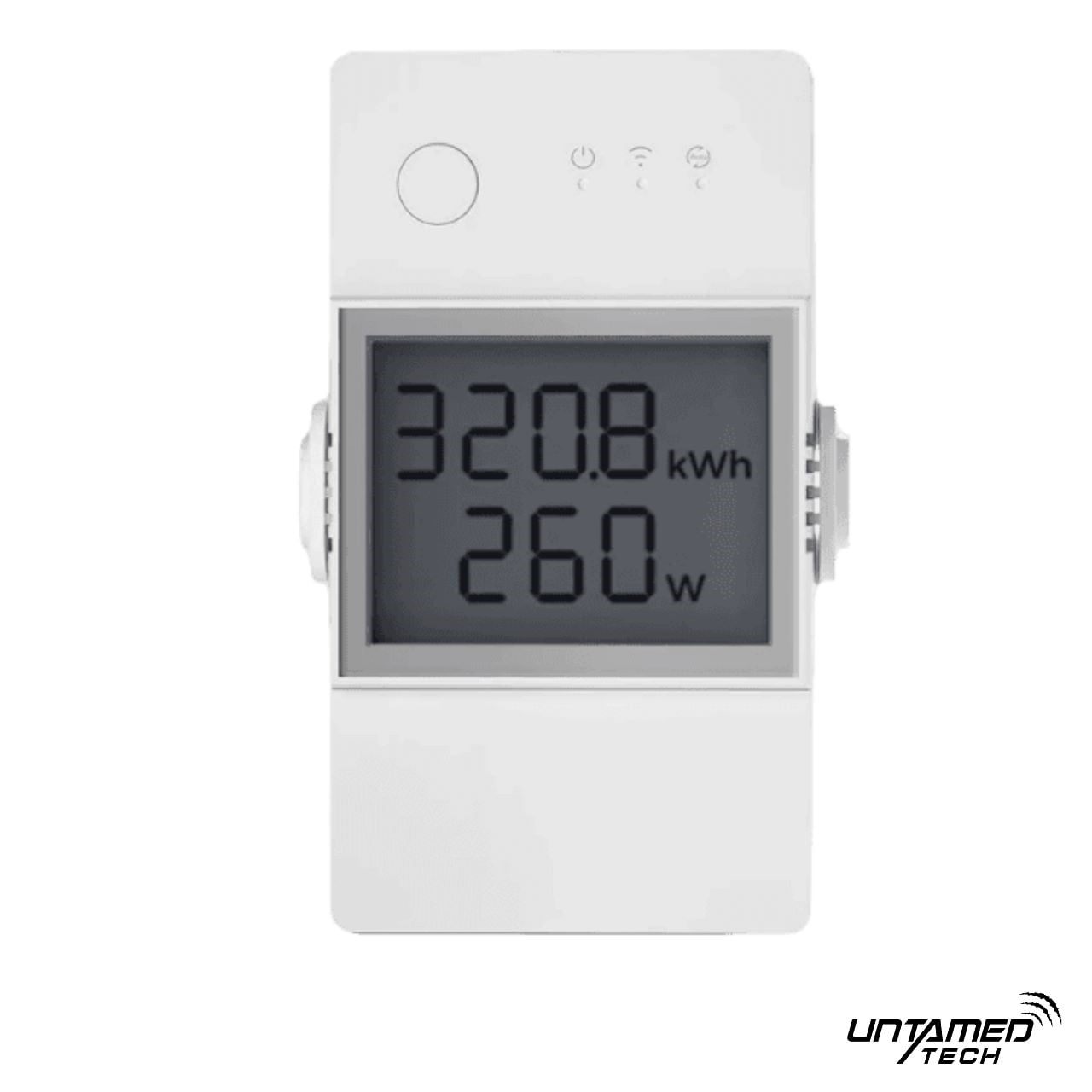
- A list of already-smart loads (POW Elite etc.)
No LAN path means we are at the mercy of a cloud integration. That can still display numbers. It is a weak foundation for “dump the geyser when SOC < 35%.” Prefer local.
What the dashboard should show
Not forty sensors. These:
- Battery percentage
- Grid in / out
- PV right now
- Geyser on/off and watts
- One “house load” number if we can get it cleanly
Then two automations, maximum, on day one:
- If SOC is under a line you choose, do not start the geyser
- If a load-shedding slot is imminent and SOC is low, shed the optional loads
You can get clever later. Most families never need clever.
Hardware under this
The inverter stays the inverter. Home Assistant is the Green on ethernet, on the same essential circuit as the router. If you planned camera AI as well, read Green vs Pi vs mini PC before you overload the box.
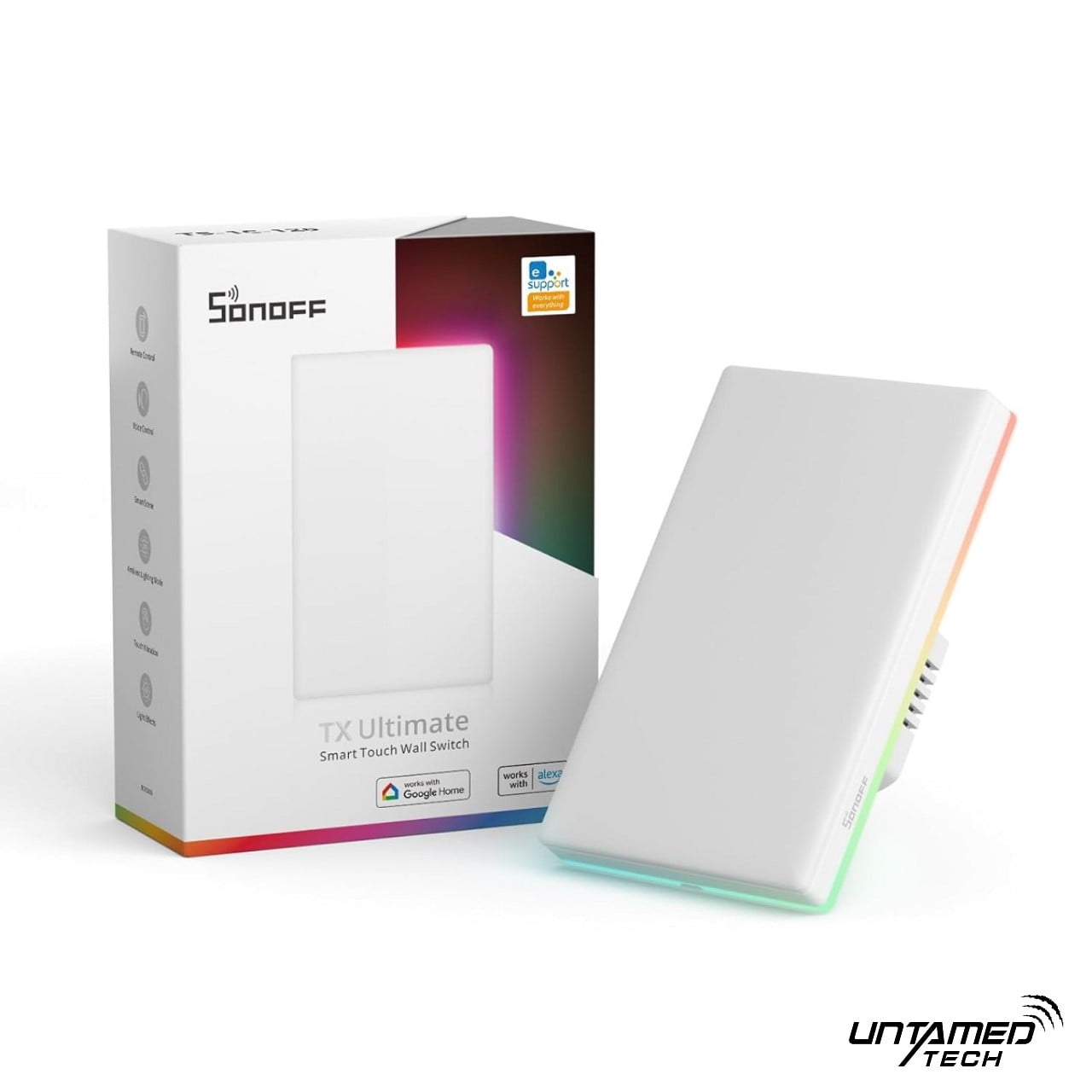
We do not flash random ESP boards onto a warranty inverter because a forum post said so. If the integration path is ugly, we say so and stay on monitoring until there is a clean way to switch loads we already control — the Sonoff/Shelly side.
What this does not do
- Add panels
- Fix a badly commissioned hybrid
- Promise an 85% bill cut
- Replace the solar installer’s support number
If the system cannot hold a fridge through Stage 4 today, Home Assistant will not lecture it into competence.
Order of work
- Geyser and other heavy loads already on proper relays
- Green stable
- Inverter numbers on the dashboard
- One protective automation
- Stop and live with it for two weeks
Skipping to step 4 with no step 1 is how people automate a fiction. Costs for the hub sit in the money post.
Gauteng config work is quoted after the photo pack. About.
FAQ
Does this work with Deye as well as Sunsynk? Often yes. They are cousins. We still want the exact model and dongle photo.
Do I need Home Assistant if I already have Sunsynk Connect? Not if you only glance at SOC. Yes if you want the geyser to respect the battery without you opening two apps.
Is the integration local? Depends on the dongle and the firmware. We prefer local. We will not pretend a cloud scrape is local.
Can it start the geyser when PV is surplus? Yes, once monitoring is honest and the relay is already there. That is a second-week automation, not the install-day stunt.
Will this void the inverter warranty? Reading data over the supported LAN/cloud path should not. Rewiring the inverter internals will. We do not do that.