
This is not “Thabo from Randburg saved R1 200.” We did not invent Thabo.
This is the shape of a first job that does not embarrass anyone six months later. If you send a real cupboard photo and a suburb later, we can swap this for a dated diary. Until then, the pattern is the honest thing to publish.
What lands in the WhatsApp before anyone drives
Three photos, if we are lucky:
- The DB, door open
- The geyser isolator and the element plate
- The gate motor housing, lid off if they are brave
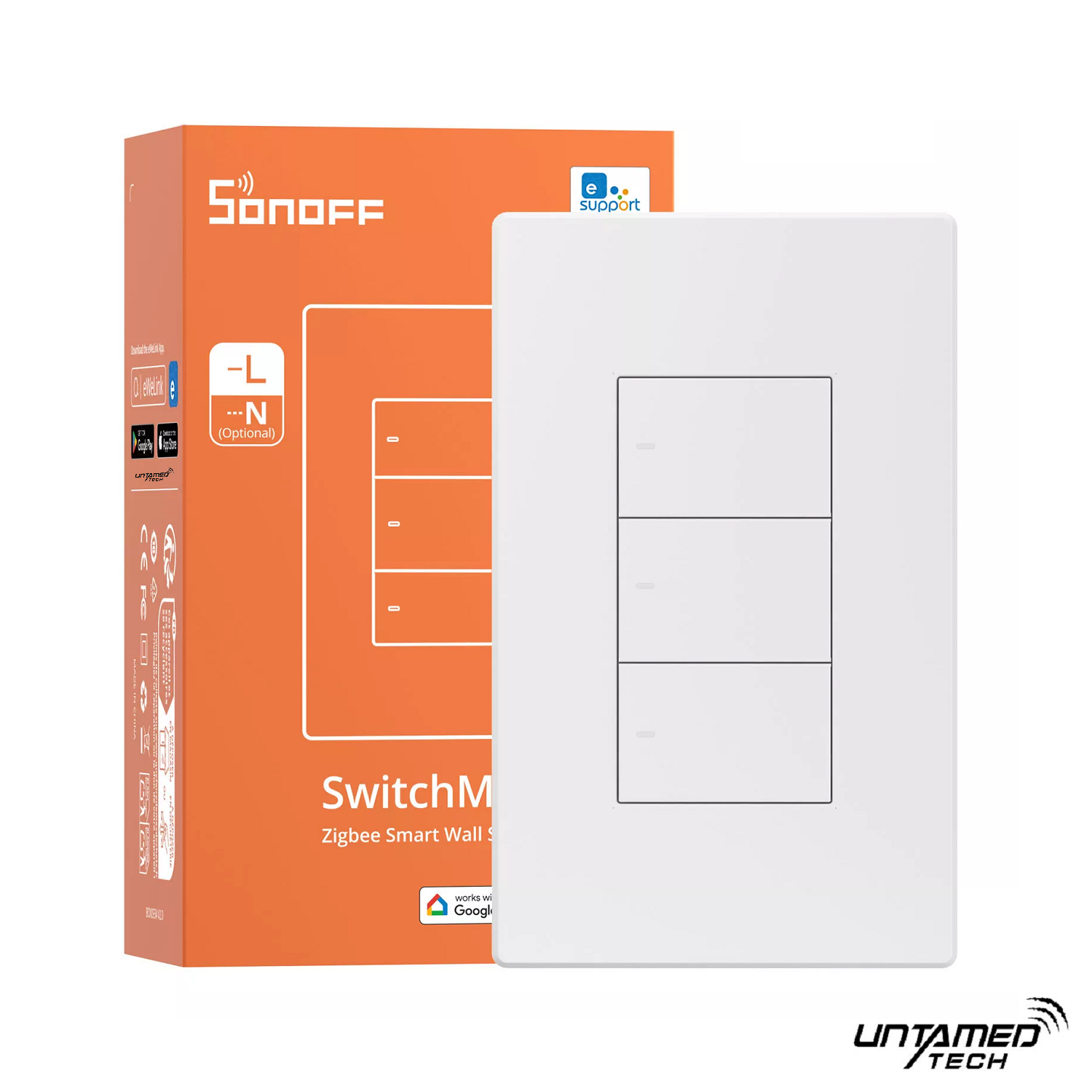
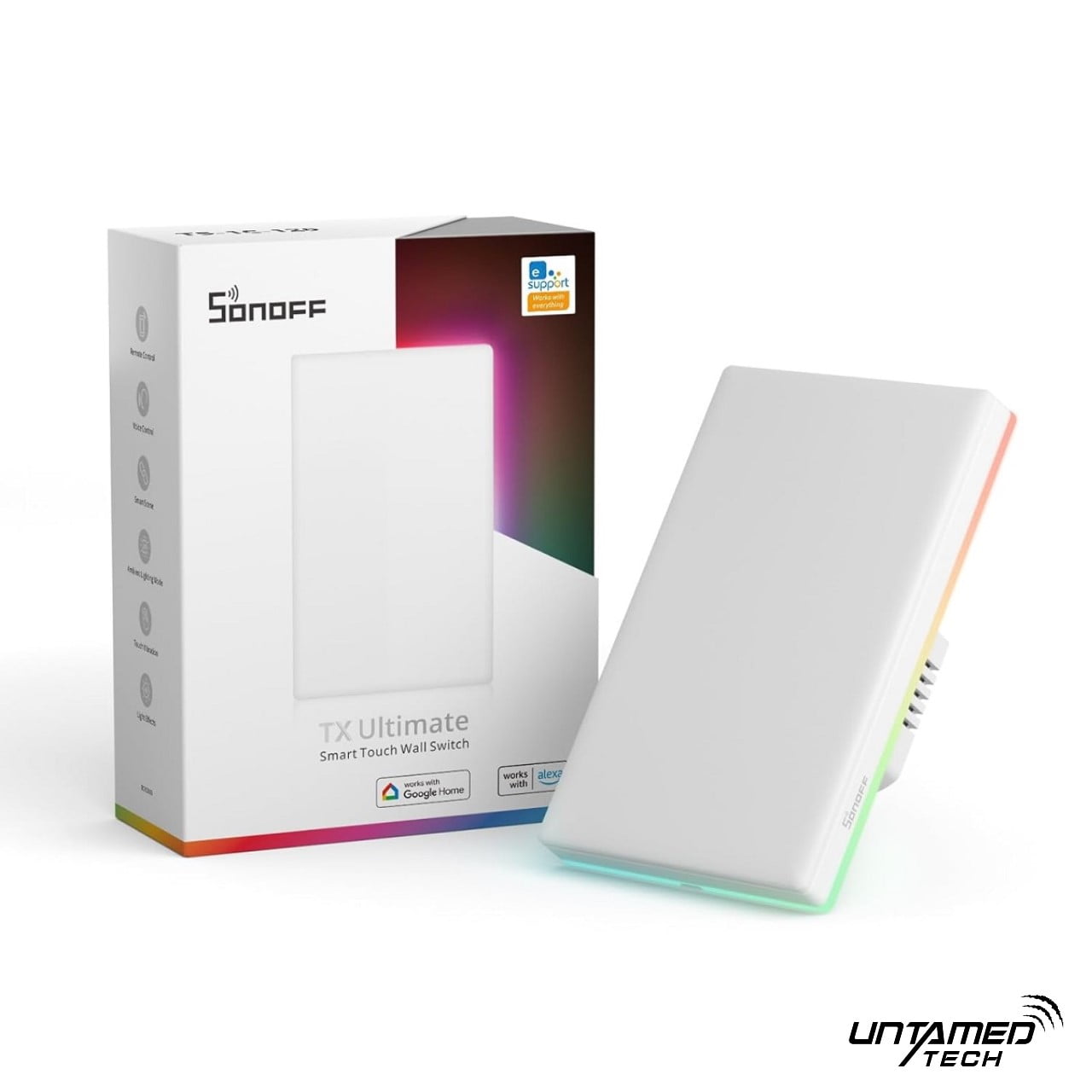
What we answer from those photos: which Sonoff on the geyser, whether the gate is a trigger job or a motor job, and whether the router cupboard is even on the same planet as the tank.
Missing photos is how people buy a 16 A unit for a 4 kW element.
What the first hour is actually spent on
Not dashboards.
- Finding a neutral
- Finding out the “Wi‑Fi in the house is fine” does not include the roof
- Moving the planned hub from a TV multiplug to a place that will still be on during Stage 4
- Talking someone out of colour bulbs
The product list that survives that hour is almost always the first five: geyser, gate, one monitored load, two sensors, hub if the apps are already a mess.
The cupboard
Geyser cupboards in Gauteng are insulation, wasp houses, and a tray that has seen things.
The POW Elite does not live inside the insulation blanket. It does not hang on two skinny tails. It sits after the isolator, in a box if the roof leaks, with the LCD readable so the next person can see watts without opening eWeLink.
If we cannot read the element plate we treat it as big and we do not get brave.
The gate
Steel box, one bar of Wi‑Fi, original remotes that must keep working, a motor battery nobody has tested since 2022.
The relay path is the job. Replacing the motor is a different quote. Arrival automations wait until a contact exists. We have seen “open when I get home” open for the street.
The hub
Green on ethernet, on a UPS or an essential plug. Not a Pi on a supermarket SD card. Not behind the TV.
Handover is five minutes:
- Here is the app
- Here is a user for the person who actually lives here
- The geyser tile, the gate tile, nothing else on page one
- Wall switches still work when the internet does not
If the partner cannot switch the geyser off, the install is not done. That is the whole quality control. Longer context: Home Assistant in South Africa and load shedding.
What we refuse on a first visit
- Twenty automations
- Geo-fencing the gate with no sensor
- Putting the geyser on a small battery bank “because smart”
- Flashing an inverter
- Leaving device names like
SONOFF_14_kitchen2
What “done” looks like that afternoon
- Water heats on a schedule that matches the house
- Gate has a phone button and the old remote still works
- One extra load is visible in watts
- Hub survives a router reboot
- Someone who is not the enthusiast can use it
That is the same finish line as how to start. The rest is later visits.
If this is your cupboard, send the three photos. Gauteng we can come. Everyone else we can spec. About.
FAQ
Is this a real address? No. It is the pattern from first jobs. Send a real one and we will write that instead.
How long is a first visit? Long enough to do the line-side work safely and hand over two tiles. Not a full-day dashboard party unless you booked that.
Do you leave eWeLink installed? Yes, until Home Assistant owns the devices. Then the family uses one app.
What should I have ready? Ladder, isolator accessible, Wi‑Fi password that is not on a sticker from 2019, and the person who will actually use the app.